

By Kirk at Brushtek · September 10, 2026 · Interior painting
How to Prepare Your Home for Interior Painters
In short: Clear the small stuff (pictures, shelves, breakables, electronics) and leave the big furniture to us; we move it to the middle of the room and cover it. Pick your colors before day one, plan a room for the pets, and expect each room to be out of use for a day or two. We walk through with you at the end and touch up anything you spot.
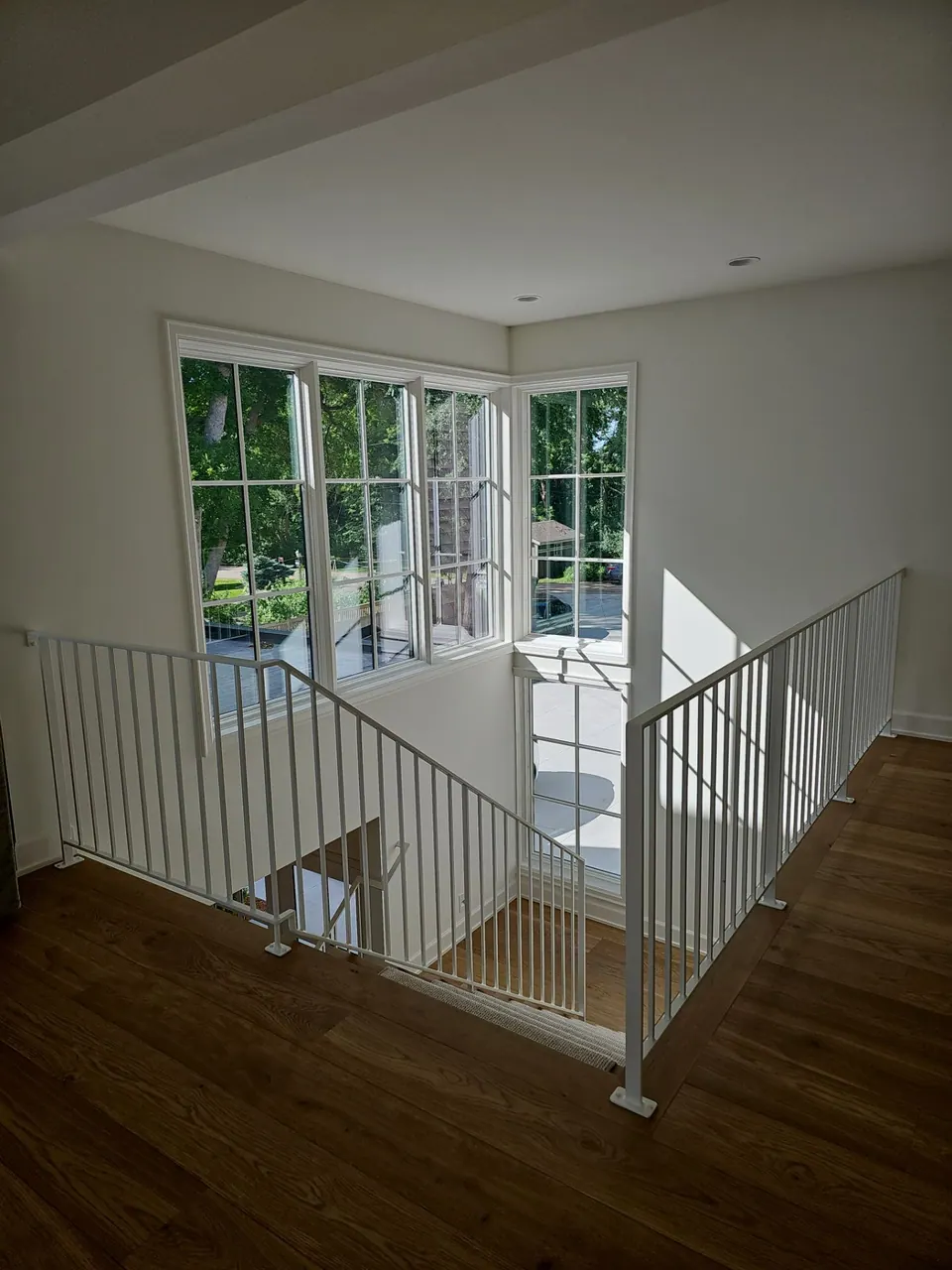
A good interior job starts the day before we arrive, with about an hour of your time. Not more than that. Homeowners sometimes empty entire rooms into the garage, and sometimes they leave a china cabinet full of glass against the wall we are painting. The right amount is in between, and this is what it looks like.
So what do I actually need to do before the painters show up?
Move the small and fragile things, leave the big things to us, settle your colors, and plan where the pets will be. That is most of it. We bring the drop cloths, the plastic, the tape, and the people to move a couch. What we cannot do is decide what is precious to you or where the cat should spend the day.
Below is the same list we send people when they book, with the reasons behind each item.
What to move before we arrive
- Wall hangings. Pictures, mirrors, shelves, clocks, and anything hanging from a nail. Take them down and set them in a room we are not painting. Leave the nails and hooks in place if the picture is going back to the same spot; tell us if it is not, and we will patch the holes.
- Breakables and small items. Anything on a dresser, mantel, or open shelf: frames, vases, lamps, plants, candles. We cover furniture with plastic, but small things on top of it are in the way and easy to knock over.
- Electronics and cords. Unplug and set aside televisions on stands, speakers, game consoles, routers, and their cords. Wall-mounted TVs can stay up if that wall is not being painted; if it is, we will take the TV down and reinstall it, but it helps to know in advance.
- Curtains and blinds. Curtains come down, and it is a good time to wash them. Blinds can stay if they are inside the window frame; we will mask them.
- Closets. If a closet is being painted, the clothes and shelves need to come out. If it is not, leave it alone. Tell us which.
- Anything you would not want a stranger to move. Heirlooms, the guitar, the things in the bottom drawer. Just relocate them for the day.
A clear path matters too, especially in winter. We carry ladders, a sprayer and gallons of paint through your front door, so a shoveled walk and a spot in the driveway make the morning go faster.
What we move, cover and mask
Everything else is ours to handle. When we set up a room, we move the furniture to the center and drape it with plastic, then cover the floors with drop cloths, from the doorway out. Hardwood and carpet both get covered. Then we mask:
- Baseboard, casing and any trim that is not being painted, with tape and paper.
- Window glass and the edges of blinds.
- Light fixtures, ceiling fans and smoke detectors, if the ceiling is being painted.
- Countertops, backsplash and appliances in a kitchen.
- Floors along the edges of the room where the cut-in happens.
We remove outlet and switch covers rather than painting around them, and we put them back at the end. Smart thermostats, doorbell cameras and wall-mounted devices get masked and left in place; let us know where they are.
If we find something behind the furniture, like a nail pop or a water stain, we fix it before painting. Small patches are part of the job. If a wall needs real repair, we tell you before we start and add it to the estimate in writing.
Pets and kids
Modern low-VOC paint is not a hazard to be in the house with, but a room being painted has open cans, wet walls, ladders and doors propped open, and none of that mixes with a curious dog or a toddler. Plan for both to be somewhere else while a room is being worked on.
For dogs, a crate, a fenced yard or a day at daycare all work. For cats, a closed bedroom we are not painting, with the litter box, is the usual answer. Cats are the ones that end up with a stripe on their tail. We keep exterior doors closed as much as we can, but we are in and out with equipment, so an animal that bolts should be secured.
Kids can be home. We just ask that the rooms we are working in be off limits, and that nobody touches the walls for the rest of the day. A wall that is dry to the touch is still soft.
Pick your colors before day one
This is the item that most often delays a job. Deciding a color on the morning we arrive means we are standing in your living room while you look at swatches, and it usually means a trip to the paint store. Have every room’s color and sheen settled a few days ahead, and write them down.
How to do that well:
- Put samples on the actual wall, at least a foot square, in two or three spots. A swatch card lies.
- Look at them in the morning, at midday and at night with the lamps on. A north-facing room in Minnesota reads cooler and greyer than the same color in a south room. A color that looks warm at noon can go flat under evening LEDs.
- Pick a sheen. Flat hides wall texture and touches up well, eggshell is what most people want on living areas, and satin or semi-gloss belongs on trim and doors, not walls.
- Note the ceiling. Painting a ceiling the same white as the trim is common; a slightly softer white often looks better and hides more.
If you are stuck, we can help through a color consultation, and it is better to do that a week out than the day of. The written estimate lists colors by room, so once it is set, we all have the same document.
How long each room is out of use
Plan on a room being out of commission for the working day it is painted, and count on staying off the walls until the next morning. Most bedrooms are a day: setup, patch, cut and roll two coats, cleanup. A large room with a tall ceiling, or a room that needs trim painted, is usually two days. Trim and doors take longer to dry between coats, so a hallway with a lot of doors can be off limits longer than its size suggests.
We work room by room, so you do not lose the whole house at once. Bedrooms get done first when possible, so everyone has a place to sleep. Kitchens we try to finish by dinner.
A whole-house repaint in a two-story of the size common in Corcoran and Rogers subdivisions is typically a week or so, with the family living in the house the whole time. If you would rather be away, a hotel weekend is a fine choice for a large job, and we can move faster with the house empty. Both work.
Day one
We arrive at the time we agreed, walk the house with you, and confirm the color and sheen for every room against the estimate. That five minutes catches almost every mix-up. Then we set up in the first room. You do not need to be home after that, but it helps if we can reach you by text for questions.
We keep the house closed against the weather, the thermostat where you had it, and the work area contained. We clean up at the end of each day so you can live around the job.
What to check at the walkthrough
When the last room is done, we walk it together. Do this with the lights on and, if you can, in daylight, and look at:
- The cut lines where wall meets ceiling and wall meets trim. They should be straight, with no wall color on the trim.
- Around outlets and switches, and behind doors, the spots that get missed.
- Trim and doors for drips or runs, especially on the bottom edges.
- Any patches we made, to confirm they have disappeared under the paint.
- Coverage on any dark-to-light change, viewed from an angle across the wall.
- Outlet covers back on, furniture back in place, and the floors clean.
Anything you spot gets fixed on the spot or the next day. We also leave labeled touch-up paint for each color, which is worth keeping, because a nail hole a year from now is a five-minute fix with the right can.
In a newer home, the first repaint after the builder’s flat white is often the first time the walls have been looked at closely, so this walkthrough is also when the nail pops from the first couple of winters get sorted out for good.
That is all there is to it. If you have a project coming up, the interior house painting page has the full scope, and our contact page is where to send photos and dates.
Want us to look at your project?
Text a few photos and tell us what you are after. Written estimate, usually within one business day.
Related questionsStraight answers.
Do I need to move furniture before painters come?
Not the big pieces. We move couches, beds and dressers to the center and cover them, and put them back when we are done. What helps is clearing the small things: pictures and mirrors off the walls, breakables and electronics off surfaces, and clothes out of any closet being painted. Tell us about anything heavy or fragile in advance.
Should I be home while painters are working?
Be there for the first few minutes on day one so we can confirm colors and sheens for each room against the estimate, and again for the walkthrough at the end. In between, you do not need to be home. Most people go about their day. It helps if we can reach you by text if a question comes up.
How long does it take to paint a room?
A standard bedroom with two coats on the walls is usually a day, including setup, patching and cleanup. A large room, a tall ceiling, or a room where trim and doors are being painted is closer to two days, because enamel takes longer between coats. Plan on staying off the walls until the next morning.
What should I do with my pets while painting?
Keep them out of any room being painted. Dogs do well in a crate, a fenced yard or at daycare. Cats belong in a closed bedroom we are not painting, with the litter box, because they are the ones that brush a wet wall. We are in and out with ladders, so an animal that bolts should be secured.